Cocoa Export Documentation from Nigeria: The Complete Checklist for Importers
A cocoa shipment is only as good as its paperwork. This checklist covers every Nigerian-side registration, certificate and shipping document a compliant cocoa exporter should provide.
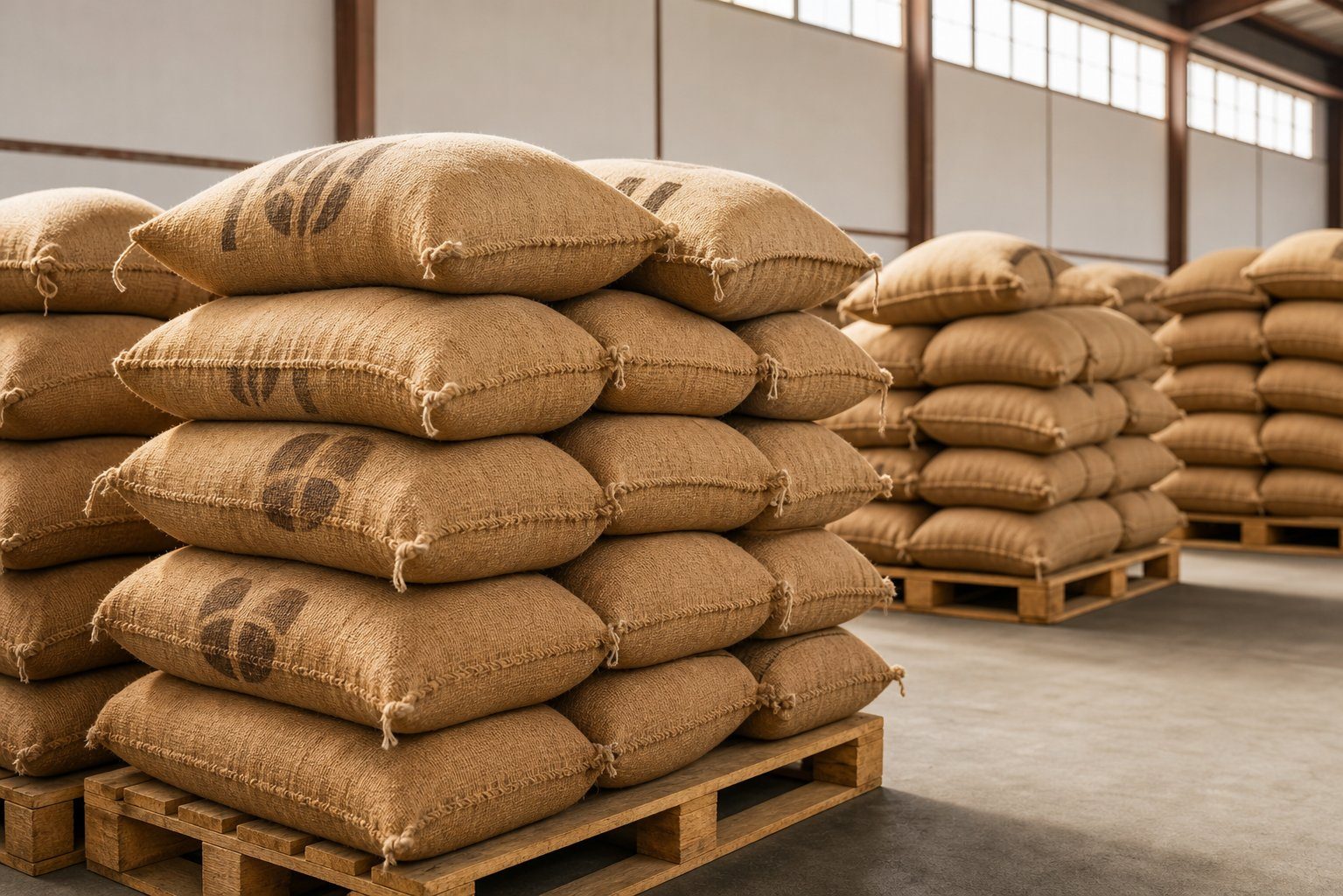
Importers new to Nigeria often ask the same question in different words: what paperwork should I expect, and how do I know my supplier is a legitimate exporter? Below is the documentation chain for a compliant cocoa export from Nigeria, divided into what the exporter must hold, what is generated for each shipment and what you should check on arrival.
A. What a legitimate cocoa exporter must hold
- Corporate Affairs Commission (CAC) registration — the company must exist as a registered Nigerian entity.
- Nigerian Export Promotion Council (NEPC) exporter registration — the export licence, renewable and quoted on export documents.
- FPIS registration — exporters of graded produce register their warehouses with the Federal Produce Inspection Service.
- Bank relationship for NXP processing — see below.
B. Documents generated per shipment
- Pro-forma invoice / sales contract — grade, crop, bean count, moisture, quantity, packing, Incoterm, price basis, payment terms, shipment window.
- NXP form — the Nigeria Export Proceeds form processed through an authorised dealer bank, required by the Central Bank of Nigeria for every commercial export and linked to repatriation of proceeds.
- FPIS grading / quality certificate — issued after inspection and cut test at the warehouse; states the grade of the lot.
- Phytosanitary certificate — issued by the Nigeria Agricultural Quarantine Service (NAQS) after inspection, confirming the consignment is free of quarantine pests.
- Fumigation certificate — from a licensed fumigator, confirming treatment of the bagged lot or container (commonly phosphine).
- Certificate of origin — issued through NEPC or a chamber of commerce; preferential forms where the destination grants tariff preferences.
- Commercial invoice and packing list — final weights, bag counts, container and seal numbers.
- Weight certificate / VGM — verified gross mass declaration for the carrier.
- Customs export declaration — lodged by a licensed customs agent through the Nigeria Customs Service system.
- Bill of lading — issued by the shipping line once the container is on board.
- Third-party inspection certificate and certificate of analysis — where the buyer appoints SGS, Bureau Veritas, Intertek or Cotecna.
- Traceability data — farmer register and geolocation file for EU buyers on traceable lots.
C. What to check at destination
- Container and seal numbers match across bill of lading, packing list and inspection report.
- Net weight and bag count match the invoice within the agreed tolerance.
- Grade on the FPIS certificate matches the contract.
- Phytosanitary and fumigation certificates are dated before departure and name the correct consignee and destination.
- For EU imports: the due-diligence statement reference has been lodged where required.
Red flags
Be cautious of any supplier who cannot quote an NEPC registration number, who proposes shipping without an FPIS certificate, who asks for payment to a personal account, or who offers a price far below the market without explaining the basis. Legitimate exporters are used to being asked for these details and will provide them readily.
Renamy Cocoa Nigeria prepares the full document set for every shipment and shares drafts with you for approval before the vessel sails. See our export process or contact our export team.
Sourcing cocoa beans from Nigeria?
Get a written quotation and specification within two business days.
More Insights
Ready to Source Export-Grade Cocoa Beans from Nigeria?
Tell us your grade, tonnage, packing and destination port. Our export team will prepare a detailed FOB or CIF quotation and a sample plan.