Nigerian Cocoa Beans Exporters

Premium Nigerian Cocoa Beans, Fermented, Dried and Export-Ready

Renamy Cocoa Nigeria supplies Grade I and Grade II fermented, sun-dried cocoa beans in full container loads — cut-tested at intake, graded by the Federal Produce Inspection Service and shipped from Lagos with complete export documentation.

  • Grade I & Grade II beans
  • 20' & 40' full container loads
  • FPIS-graded & certified
  • Export documents handled
Forastero Main & Light CropFrom Ondo, Cross River, Osun & Ekiti
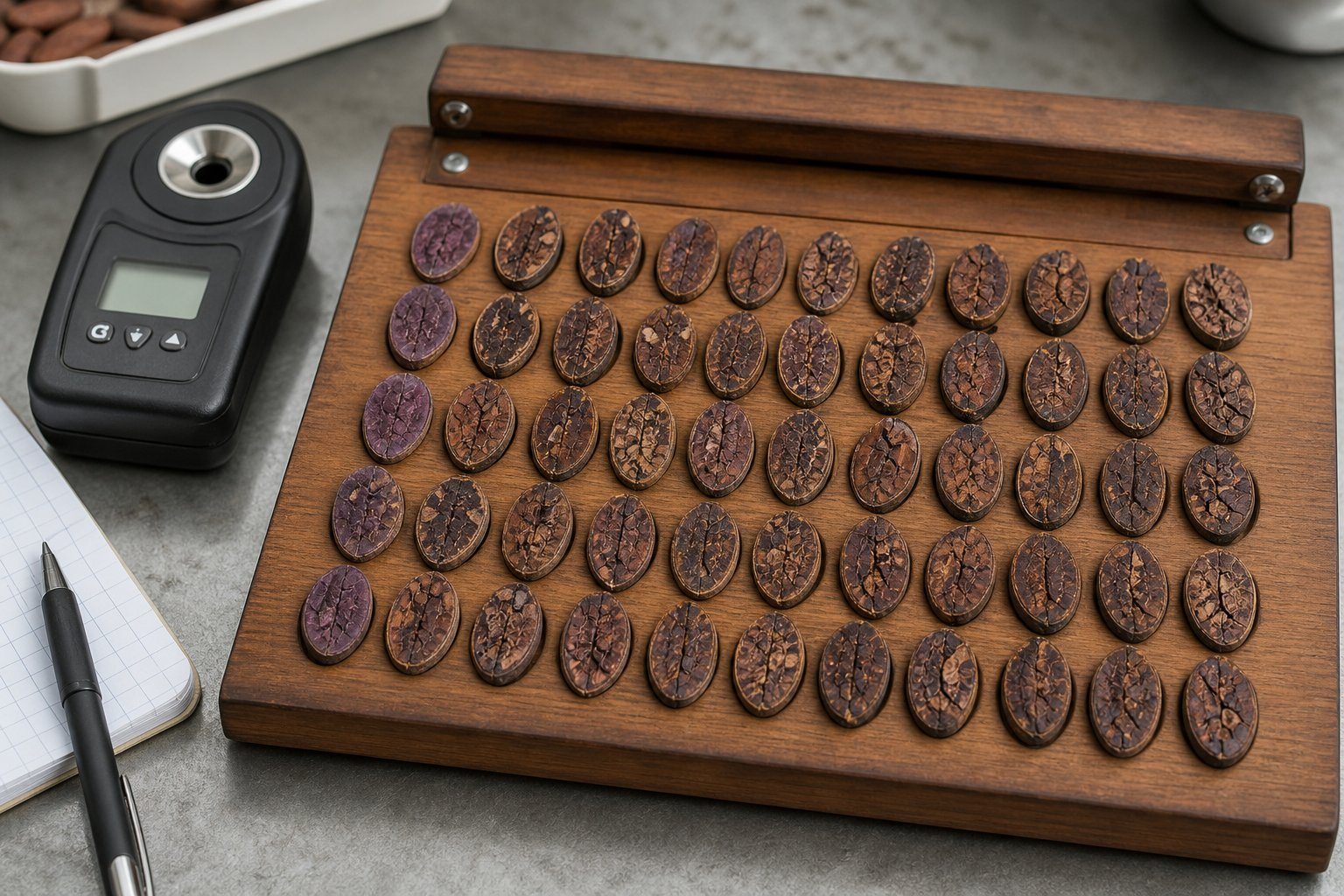
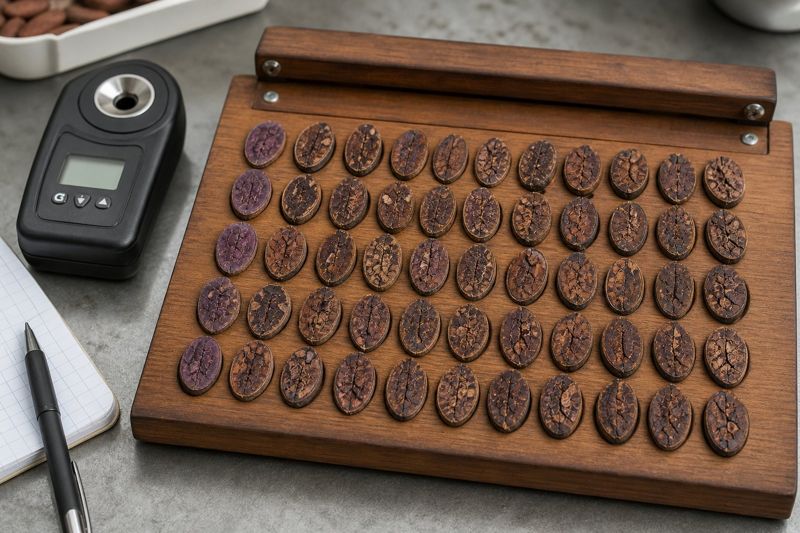
Cut-Tested Every LotFermentation, mould, slate & moisture
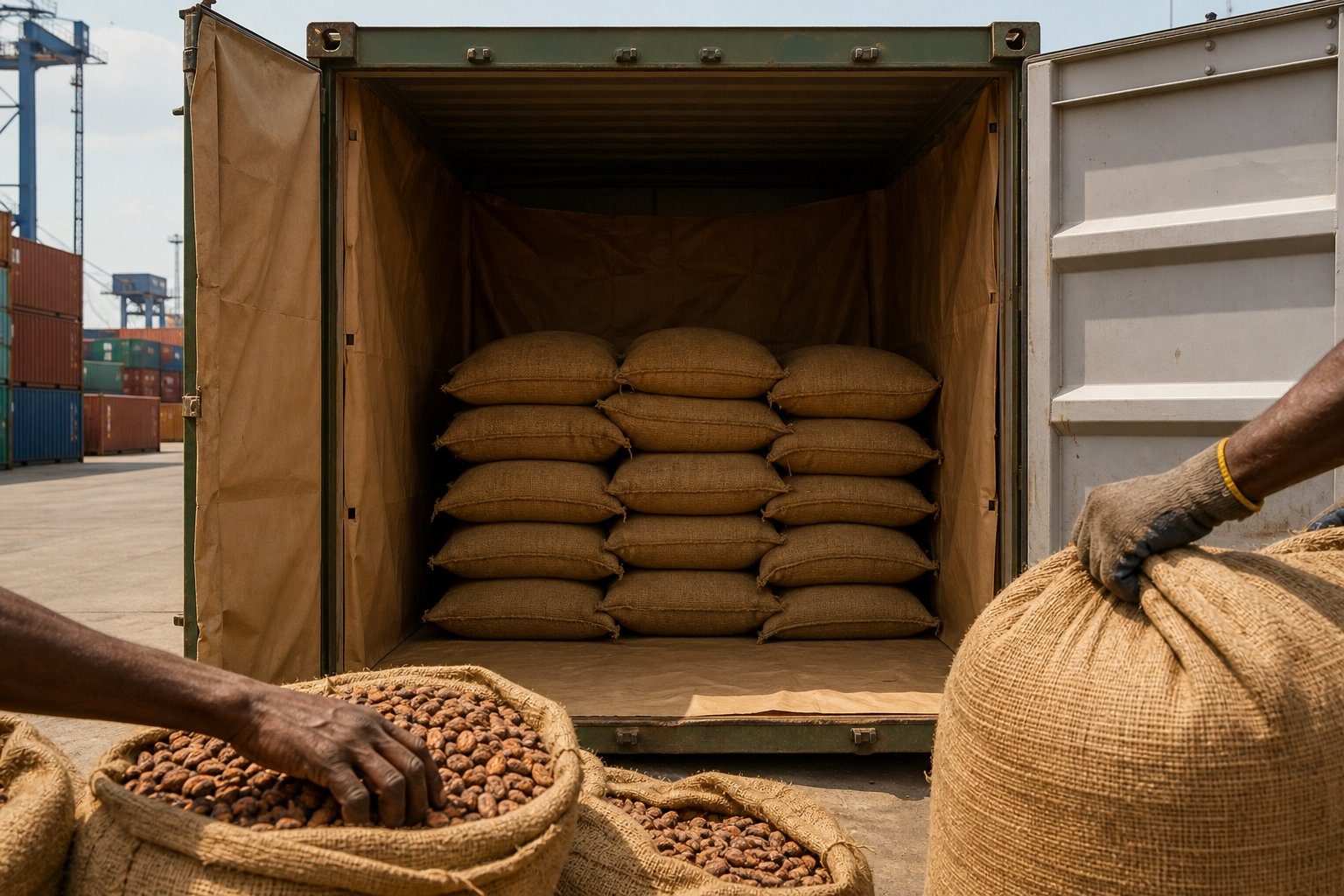
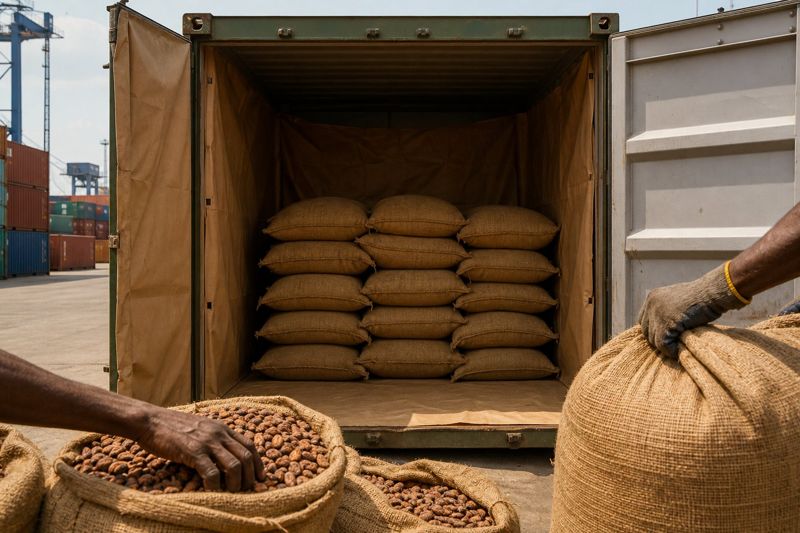
New Jute Bags62.5 / 64 kg net, kraft-lined containers
Shipped from LagosFOB, CFR or CIF to your port
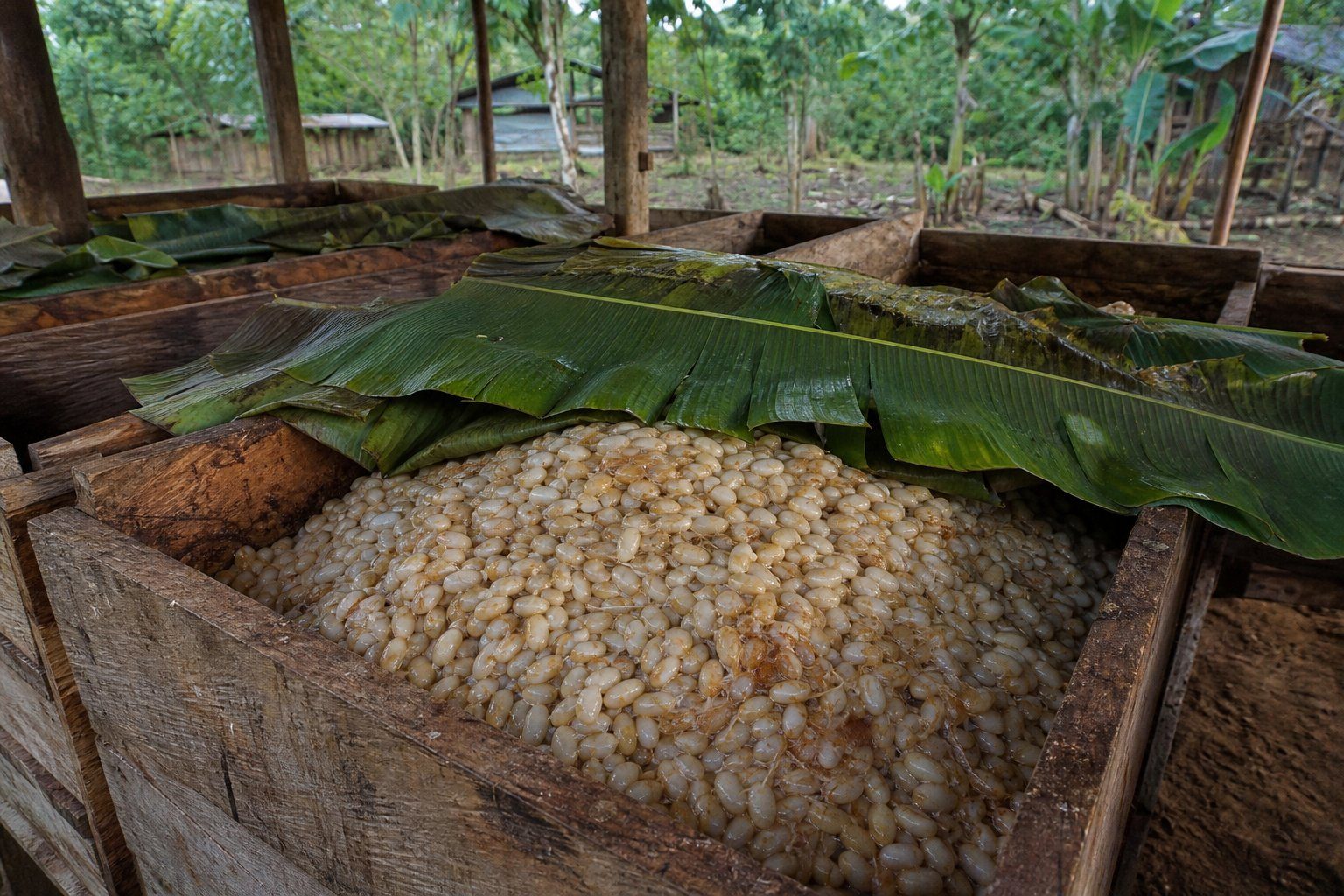
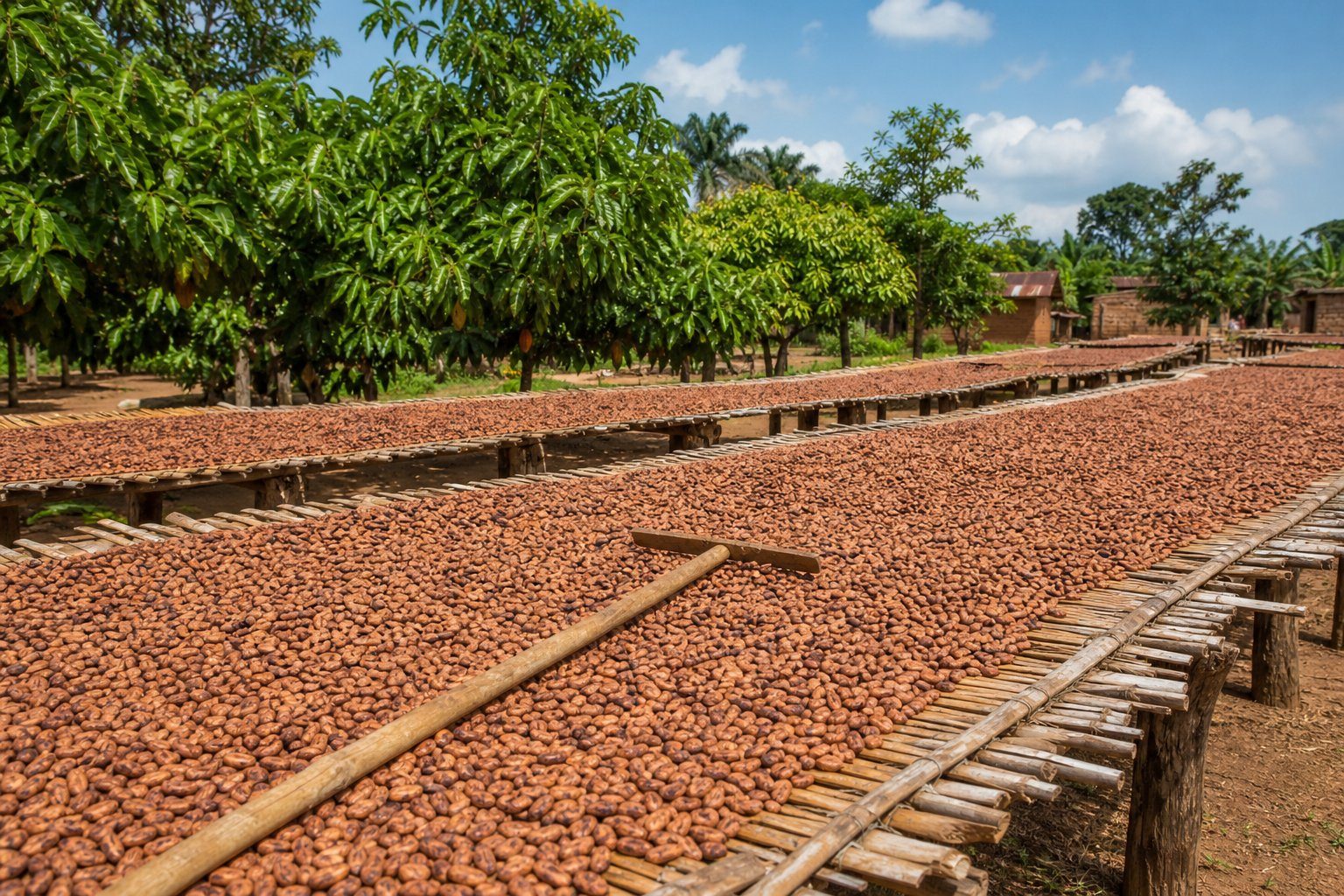
Nigerian cocoa beans sun-drying on raised wooden tables Cocoa bean cut test on a wooden board
Origin: NigeriaSourced in the cocoa belt, graded and loaded in Lagos
Who We Are

A Cocoa Export Partner Built Around Consistency

Renamy Cocoa Nigeria connects the farming communities of Nigeria's cocoa belt with grinders, traders and chocolate makers who need dependable quality, container after container.

We manage the stages that decide whether a cocoa shipment performs: buying properly fermented beans from known farmer groups, supervising drying to export moisture, cut-testing and grading every lot at our warehouse, bagging in new jute, and preparing the documentation that FPIS, quarantine, customs and your bank require. Our customers deal with one accountable team from enquiry to bill of lading.

  • Grade I, Grade II & light crop
  • Cut test on every lot
  • Moisture & bean count control
  • Third-party inspection welcome
  • Traceable single-origin lots
  • Loading photos on every container
Our Export Range

Nigerian Cocoa Beans by Grade and Season

Four ways to buy Nigerian cocoa — matched to the needs of industrial grinders, trading houses, chocolate manufacturers and due-diligence-driven importers.

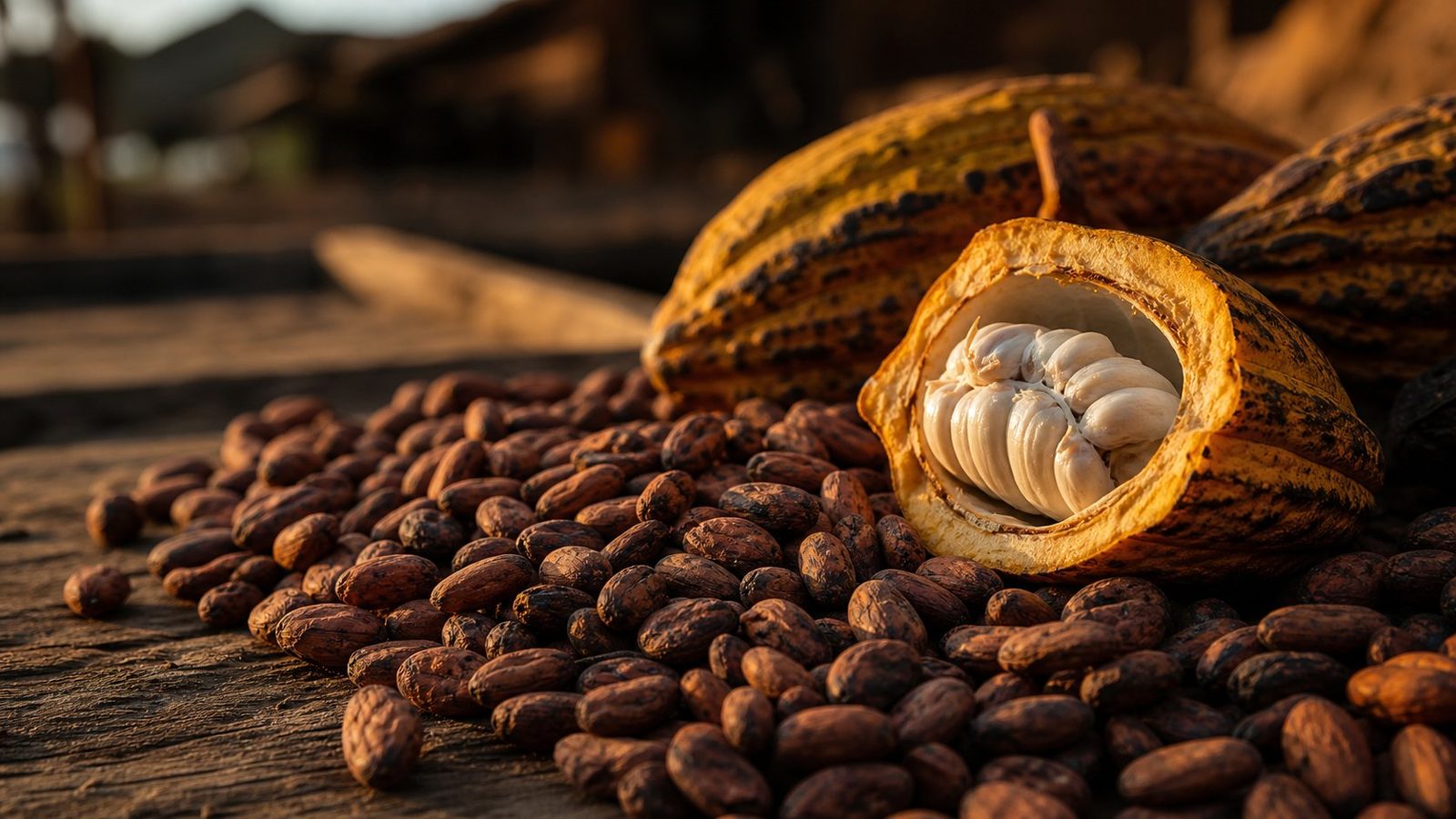
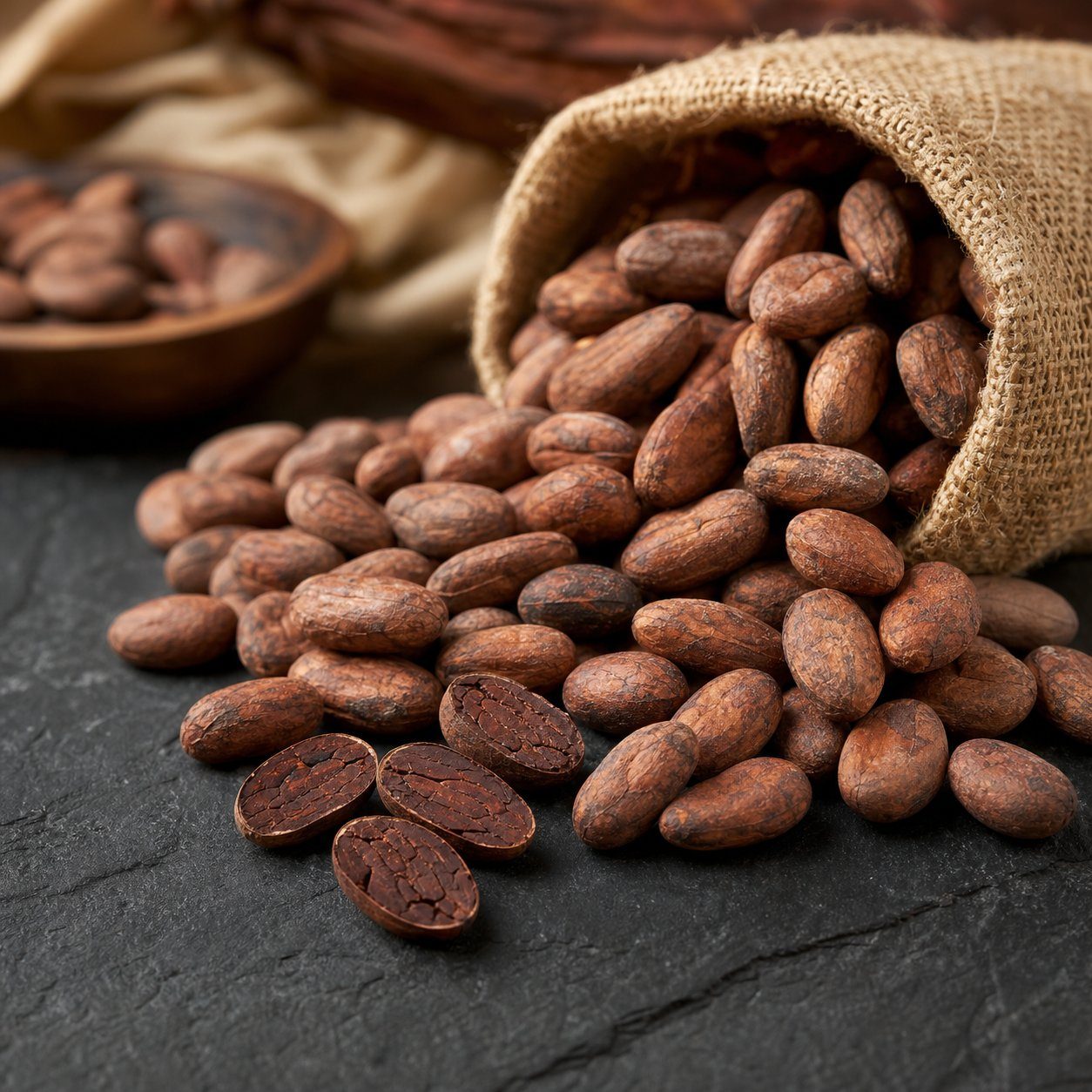
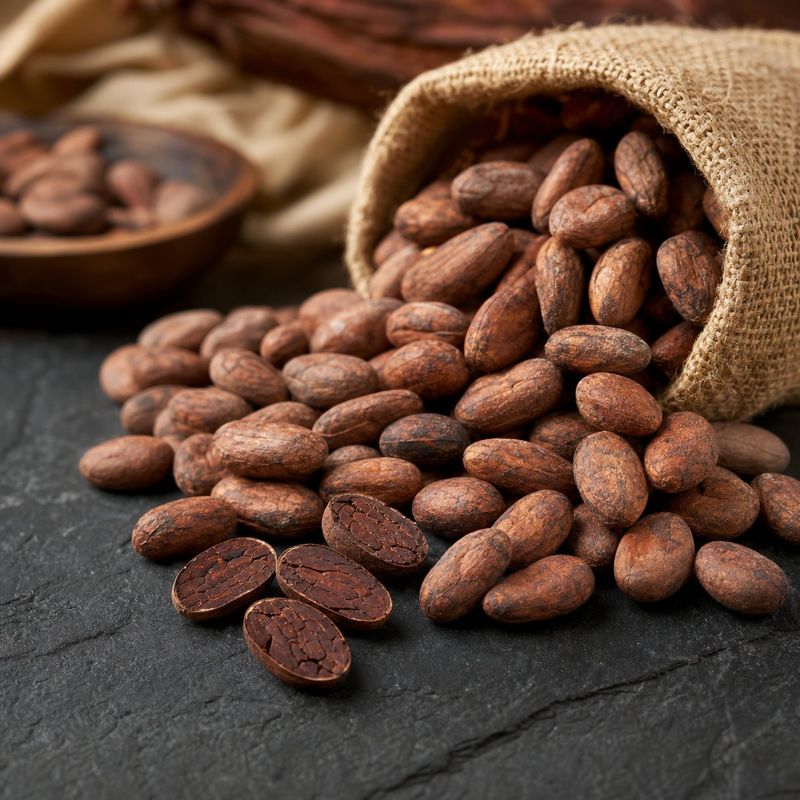
Plump Grade I fermented dried Nigerian cocoa beans spilling from a jute sack Premium
Main-crop beans, fully fermented and sun-dried

Grade I Fermented Cocoa Beans

Our flagship export grade: plump, well-fermented, sun-dried Forastero cocoa beans from Nigeria's main crop, graded to Grade I limits for mould, slate and defects and certified by the Federal Produce Inspection Service before shipment.

  • Grade I under Nigerian / ISO 2451 grading limits
  • Thorough box fermentation and slow sun-drying
  • Low moisture, clean break, strong cocoa flavour
  • FPIS quality certificate with every shipment
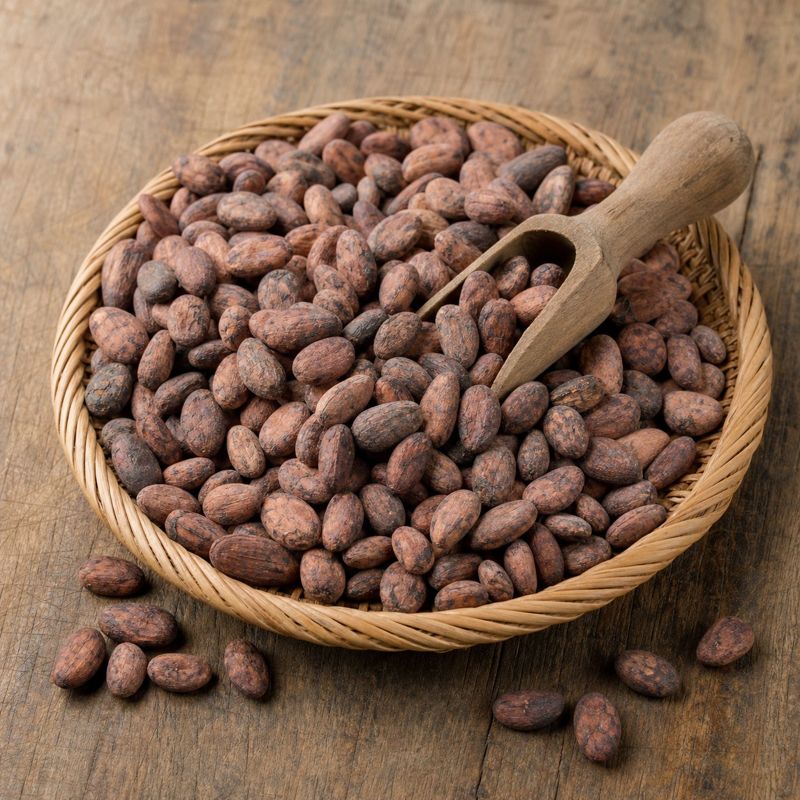
Standard grade dried Nigerian cocoa beans in a woven basket with a wooden scoop Standard Export
Sound, dry beans for industrial grinding

Grade II Cocoa Beans

A dependable, competitively priced standard export grade: properly dried, sound Nigerian cocoa beans graded within Grade II limits — the practical choice for large-volume grinders and processors who price on butter yield and consistency.

  • Grade II under Nigerian / ISO 2451 grading limits
  • Fully dried to export moisture
  • Competitive pricing on volume programmes
  • FPIS-graded and certified
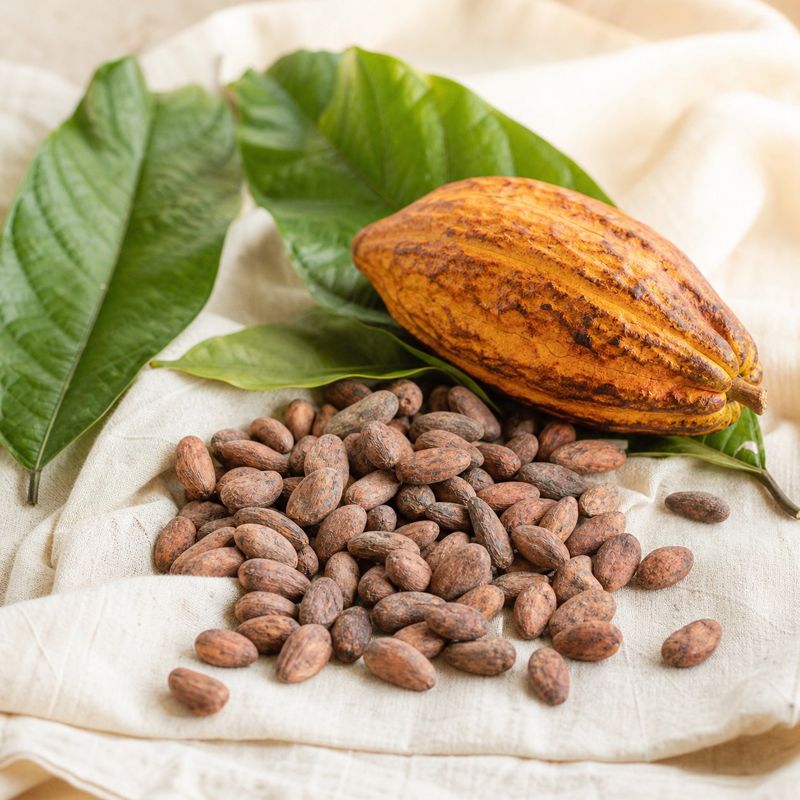
Light crop dried cocoa beans on cream linen beside a ripe cocoa pod and leaves Seasonal
Mid-year harvest, smaller beans, good value

Light Crop Cocoa Beans

Beans from Nigeria's mid-year light crop (roughly April to September): smaller in size and higher in bean count than main-crop beans, but properly fermented and dried — a cost-effective option for processors who can accommodate a higher count.

  • Available when main-crop stocks run low
  • Properly fermented and sun-dried
  • Higher bean count, lower price per tonne
  • Grade I or Grade II as cut test allows
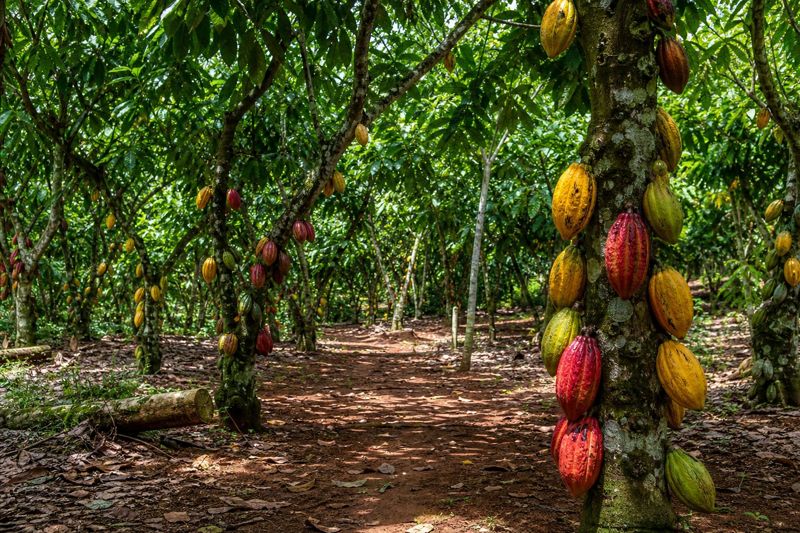
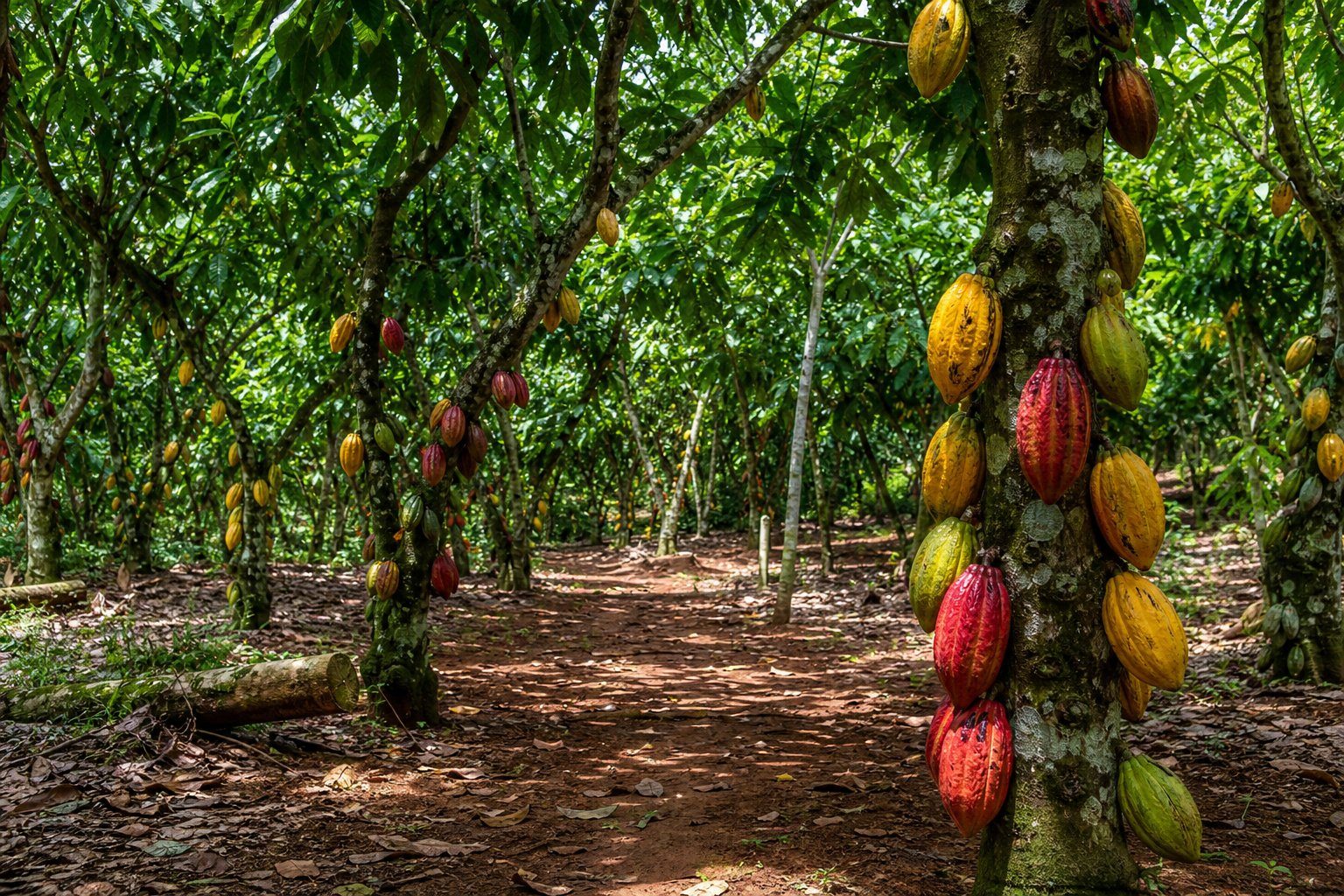
Ripe cocoa pods on a tree in a Nigerian cocoa farm with red laterite soil Due Diligence
Farm-mapped lots from named Nigerian cocoa regions

Traceable Single-Origin Cocoa Lots

Grade I beans supplied as identity-preserved lots from named producing areas — for example Ondo (Idanre, Ile-Oluji) or Cross River (Ikom, Etung) — with farmer lists and farm geolocation data to support buyers' deforestation due-diligence requirements.

  • Identity-preserved lots from a named region
  • Farmer lists and GPS plot data supplied
  • Supports EU Deforestation Regulation (EUDR) due diligence
  • Grade I quality, cut-tested per lot
Why Choose Renamy

What International Buyers Get From Us

Nigeria is one of the world's leading cocoa origins. The difference between a good shipment and a claim is in how the beans are fermented, dried, graded and shipped.

Well-Fermented Forastero

Beans from established cocoa-growing communities, fermented for five to seven days and slowly sun-dried — the foundation of good flavour and butter yield.

Cut Test Discipline

Every lot is cut-tested on intake and before bagging. Beans that miss the Grade I limits are re-graded, never blended in.

Moisture & Storage Control

Beans are dried to export moisture, stored off the floor in a ventilated warehouse and re-checked before stuffing — protecting against mould in transit.

Packed for the Voyage

New, clean jute bags, kraft-lined containers, desiccant and correct stowage — or bulk flexi-liners for grinders that receive loose beans.

Documentation Done Properly

FPIS grading certificate, phytosanitary and fumigation certificates, certificate of origin, NXP and bank documents prepared and shared for approval before sailing.

One Accountable Team

A single point of contact who knows your contract, your specification and your schedule — with loading photographs and status updates at every stage.

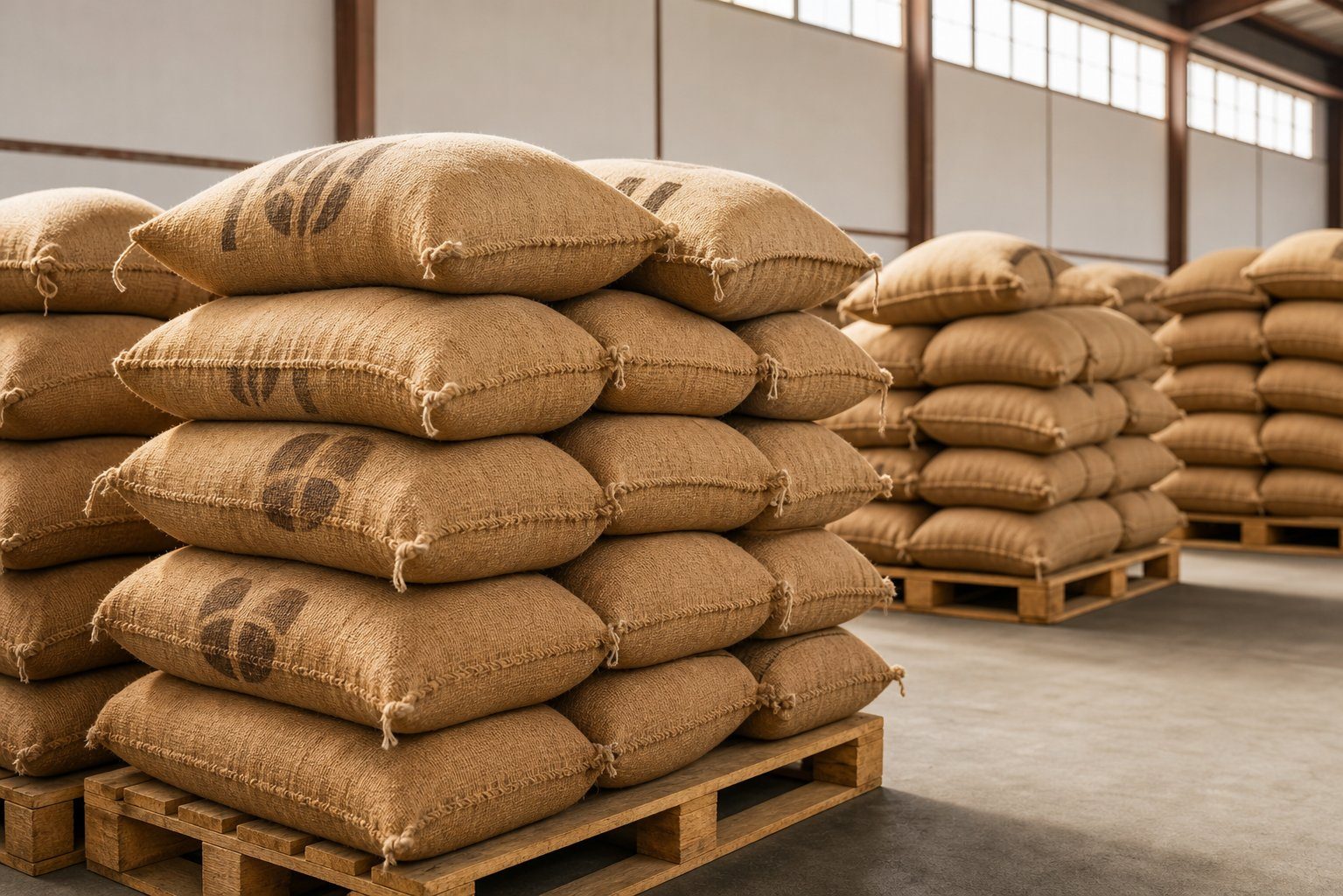
New jute bags of cocoa beans stacked on pallets in an export warehouse Close-up of Grade I fermented cocoa beans
Quality & Packaging

Graded at the Warehouse. Packed for the Journey.

Cocoa quality is decided in the fermentation box and on the drying table. We check what matters at each stage and pack to protect the beans through weeks at sea.

Quality checkpoints

  • Farmer-group selection & fermentation practice
  • Drying to export moisture
  • Cut test: fermentation, slate, mould, defects
  • Bean count & foreign-matter screening
  • FPIS grading & third-party inspection

Packaging options

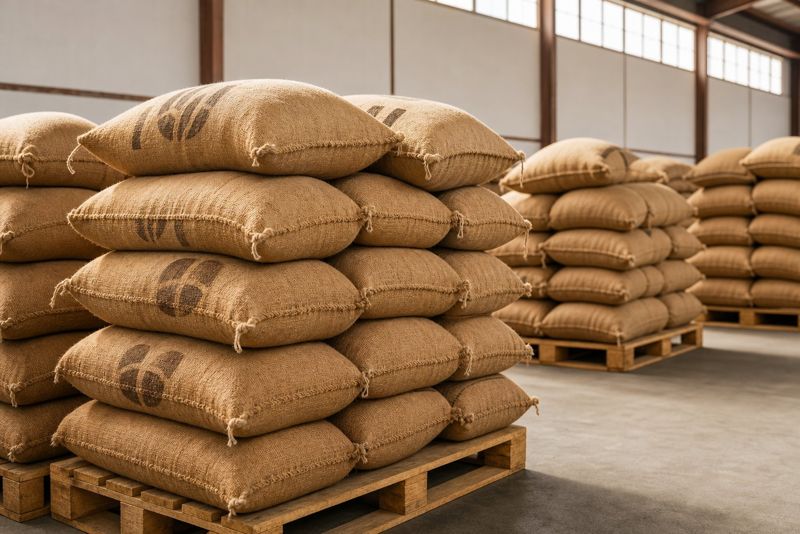
  • New jute bags, 62.5 kg or 64 kg net
  • Kraft-paper lined containers with desiccant
  • Bulk loading in flexi-liner (loose beans)
  • Lot-marked bags for traceable shipments
  • Palletised loading on request
How It Works

Our Export Process at a Glance

A clear, repeatable sequence from your first enquiry to a sealed container leaving Lagos.

1

Enquiry & Quotation

Share grade, crop, quantity, packing and destination. Receive a written FOB/CIF offer.

2

Samples & Contract

Cut-test and roast our samples, agree specification and terms, confirm with pro-forma invoice.

3

Sourcing & Grading

Beans aggregated, dried, cut-tested, screened and bagged in new jute to your packing list.

4

Inspection & Documents

FPIS grading, phytosanitary and fumigation, optional third-party inspection, certificates prepared.

5

Loading & Shipment

Lined container stuffed, photographed, sealed and shipped; documents released.

Global Reach

Where Nigerian Cocoa Goes

From Lagos, Nigerian cocoa reaches the grinding hubs of Europe in two to three weeks, with regular services to Asia, the Americas and the Middle East.

Europe

Netherlands, Germany, Belgium, Spain, Italy, France and the UK — the world's largest cocoa grinding and chocolate-making region.

Asia

Malaysia, Indonesia, India, Singapore and China — fast-growing grinding capacity sourcing West African beans.

Americas

United States and Canada processors and importers, plus Latin American chocolate manufacturers blending origins.

Middle East & Turkey

Turkey, UAE, Saudi Arabia and Egypt — expanding confectionery and compound-chocolate industries.

Ports of LoadingApapa & Tin Can Island, Lagos
Container Sizes20' GP & 40' HC — bagged or bulk liner
IncotermsFOB · CFR · CIF · FCA
Shipping LinesMajor carriers via our forwarding partners
Industry Insights

Knowledge for Cocoa Importers

FAQ

Questions Buyers Ask Before Their First Container

Straight answers on grades, quantities, pricing, terms and paperwork. Need something specific? Our export team replies within one business day.

All FAQs

We export fermented, sun-dried Nigerian cocoa beans of the Forastero (Amazon / Amelonado hybrid) type grown across Nigeria's cocoa belt. Grades available are Grade I and Grade II under the Nigerian and ISO 2451 grading limits, from both the main crop (around October to February) and the light crop (around April to September), plus traceable single-origin lots for buyers with due-diligence requirements.

The grade is determined by a cut test on a representative sample of beans. Grade I allows a maximum of 3% mouldy, 3% slaty and 3% insect-damaged, germinated or flat beans; Grade II allows up to 4% mouldy, 8% slaty and 6% other defects. Both grades must be properly dried, free of foreign matter and free of abnormal odours. Grade I commands a premium; Grade II is widely used by industrial grinders.

Our standard minimum is one full 20' container, which holds approximately 12.5–16 tonnes of bagged cocoa beans. [Confirm your MOQ — e.g. 1 × 20' FCL / 12.5 MT] Smaller sample lots are available by courier for evaluation.

Cocoa is priced against the international futures market (ICE London / New York) plus or minus an origin differential, so a fixed list price would be out of date within days. We quote per metric tonne FOB Lagos (or CFR/CIF your port) for a stated grade, crop, bean count and packing, with the price basis — fixed price or futures-referenced — agreed in the contract. Request a quotation and you will receive a written offer within two business days.

In jute bags, a 20' container typically takes 200–250 bags of 62.5–64 kg, i.e. roughly 12.5–16 tonnes net; a 40' container takes approximately 25 tonnes. Loose loading in a flexi-liner increases the payload of a 20' container to around 18–20 tonnes. We confirm the exact bag count and tonnage on the pro-forma invoice.

Yes. We dispatch representative samples (typically 500 g – 2 kg) by courier so that you can perform your own cut test, moisture test and roasting trial. [State your sample policy — e.g. samples free, courier at buyer's cost, credited on first order]

Let's Talk Business

Ready to Source Export-Grade Cocoa Beans from Nigeria?

Tell us your grade, tonnage, packing and destination port. Our export team will prepare a detailed FOB or CIF quotation and a sample plan.

Chat on WhatsApp